Culture & Heritage
Mombasa and Lamu: Discovering Kenya's Swahili Coast
Kenya's Swahili coast is best understood as a living region shaped by the Indian Ocean. Trade, travel, faith, language and local craft have influenced its towns over many centuries. Visitors can explore that history through architecture and museums, while remembering that these places are also home to communities going about their daily lives.
In Mombasa, Fort Jesus offers a starting point for understanding the port's history. Built by the Portuguese between 1593 and 1596 to protect the harbour, the fort later changed hands and reflects a complex history of exchange and conflict around the Indian Ocean. Set aside time for the site itself, then explore nearby Old Town with a local guide.
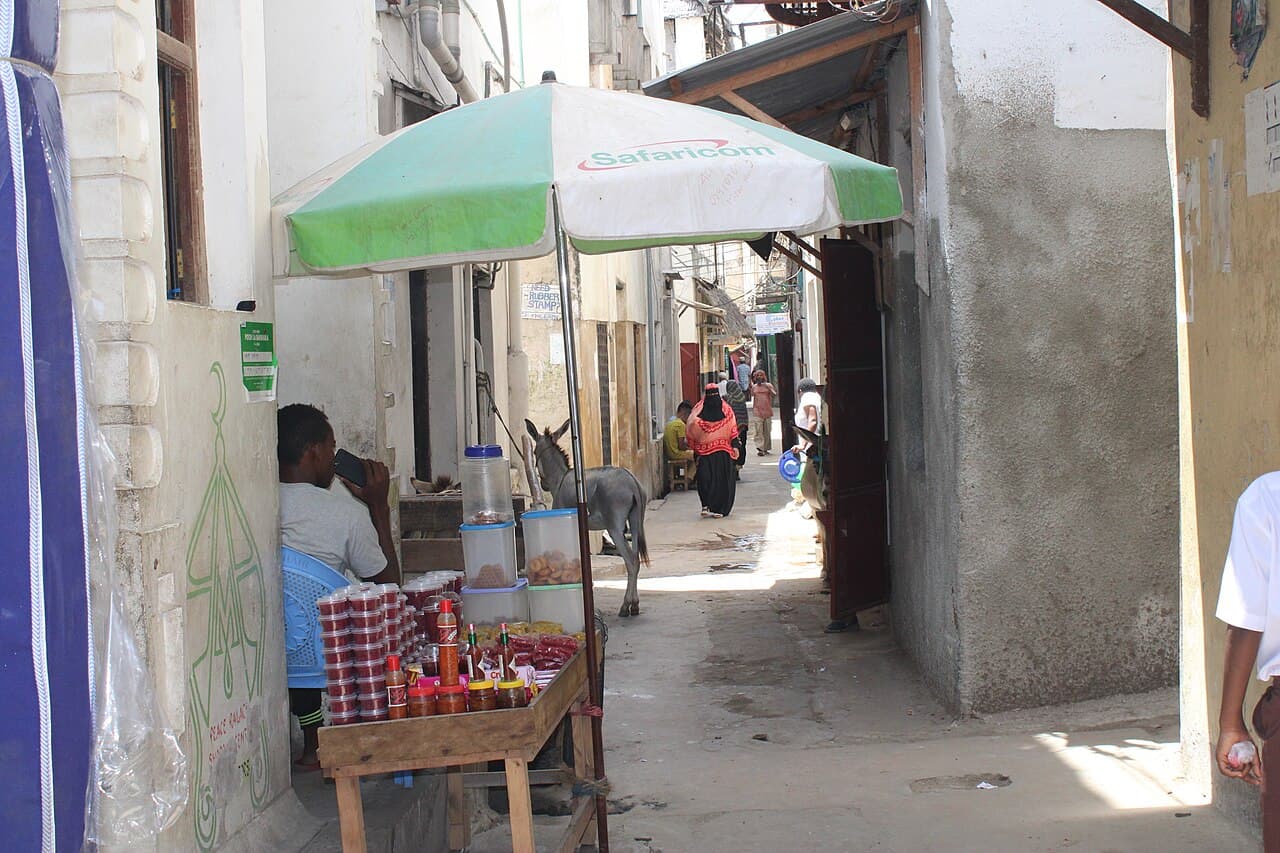
Mombasa Old Town is not a museum set apart from the city. Its streets, shops and carved doors belong to a working neighbourhood. Walk at a considerate pace, dress appropriately for local settings, and ask before photographing residents, shopkeepers or private homes.
Further north, Lamu Old Town is a remarkably preserved Swahili settlement that has remained continuously inhabited for more than seven centuries. Coral-stone buildings, mangrove timber, inner courtyards, verandas and narrow lanes create an urban landscape that is distinct from a modern resort district.
A guided walk can help explain how buildings and public spaces developed, but let residents set the tone of an encounter. Ask permission before taking portraits, avoid entering private courtyards without invitation, and support local guides and businesses when their services are available and suitable for your visit.
Food is another way to encounter coastal life. Ask about the day's dishes and seasonal ingredients, and try local recommendations rather than expecting one fixed menu everywhere. Swahili food traditions vary between families and towns, and respectful curiosity is better than treating a cuisine as a performance.
Plan practical details ahead of time. Confirm museum hours, transport, accommodation and any local travel guidance before departure. If you are combining Mombasa and Lamu with a beach stay or safari, leave realistic time between destinations; schedules and transfer times can change.
Heritage travel works best when it is reciprocal. Learn a little about the places you are visiting, follow local guidance, and choose experiences that are organised with community participation. The aim is not simply to collect photographs, but to leave with a more thoughtful understanding of the coast and its people.